
When it comes to protecting your car’s paint, ceramic and graphene coatings are the two titans of the industry. But in a city like Gwalior, with its scorching summers, dusty environment, and varying weather, which one is a better investment for you? The answer lies in understanding the science behind each and how they perform under our specific local conditions.
The Science: Ceramic vs. Graphene
Ceramic Coating, at its core, is a liquid polymer infused with silica dioxide (SiO2). When applied to your car’s paint, it creates a chemical bond, forming a hard, glassy layer. Think of it as a transparent, super-strong shell over your car’s clear coat. This layer is excellent for protecting against UV rays, chemical stains, and creating a hydrophobic (water-repelling) surface that makes washing your car much easier.
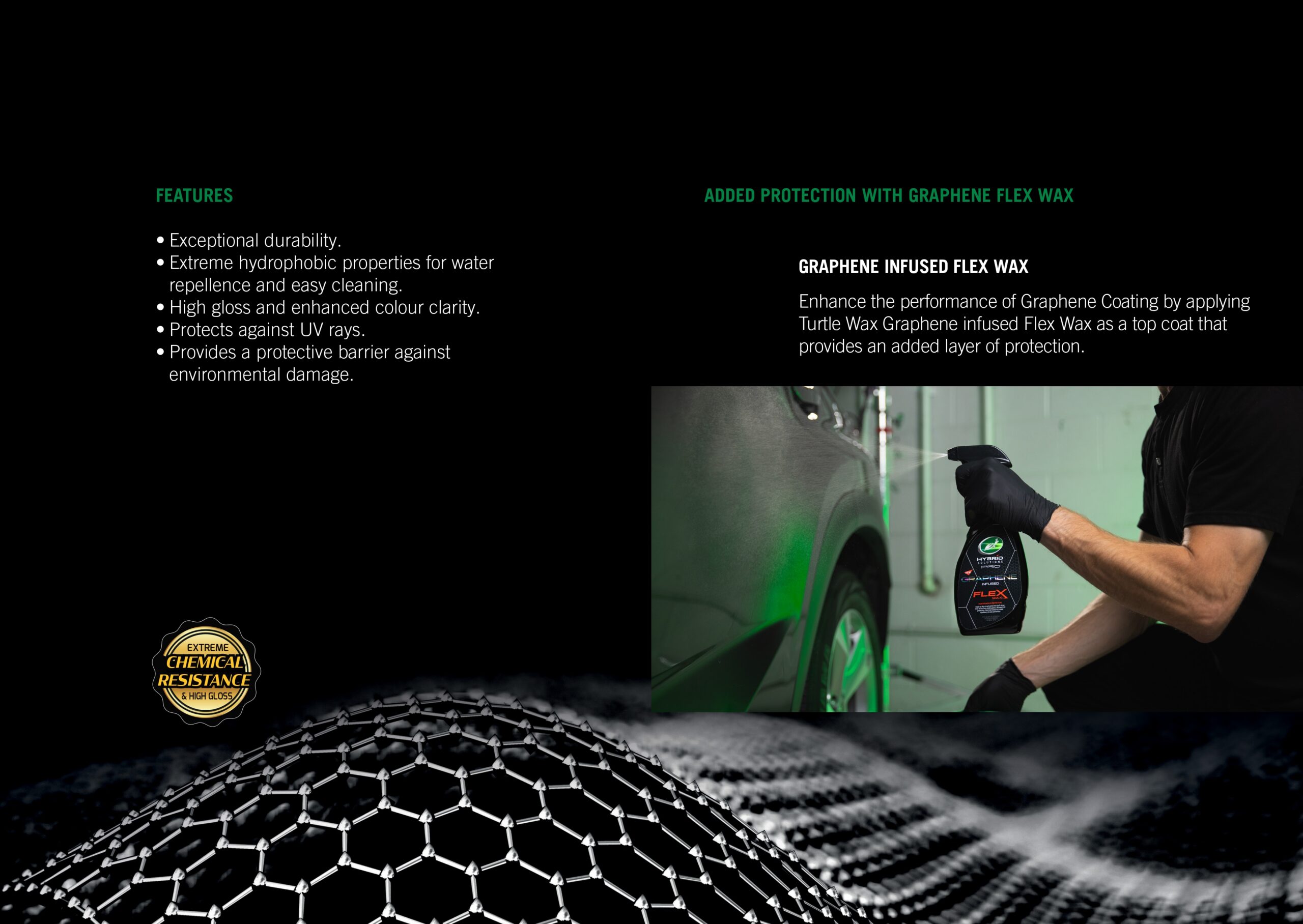
Graphene Coating is the next evolution of this technology. It’s essentially a ceramic coating that has been fortified with graphene, a Nobel Prize-winning nanomaterial made of a single layer of carbon atoms arranged in a hexagonal lattice. This addition makes the coating even stronger and gives it unique properties that are particularly beneficial in Gwalior’s climate.
Why Graphene Coating is More Profitable in Gwalior
In a hot and dusty place like Gwalior, the benefits of graphene coating extend far beyond a simple aesthetic upgrade. They translate into real, long-term savings and a higher resale value for your car. Here’s why it’s a more profitable choice:
1. Superior Heat Resistance: Gwalior’s summers are brutal, with temperatures often soaring past 40°C. This intense heat can cause your car’s paint to fade and even damage the clear coat over time. Graphene is an excellent thermal conductor, meaning it dissipates heat away from the surface. This keeps your car’s paint cooler, significantly reducing heat-related damage and UV degradation.
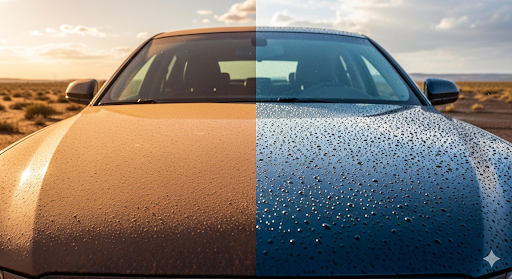
2. Anti-Static Properties: Gwalior is known for its dust. Graphene’s unique molecular structure gives it anti-static properties, which means it actively repels dust particles. Your car will stay cleaner for longer, reducing the need for frequent washes and preventing the micro-scratches that occur when wiping down a dusty car. This saves you money on maintenance and preserves the paint’s integrity.
3. Longer Durability: While a good ceramic coating can last for 2-3 years, a premium graphene coating can easily last for 5-7 years with proper maintenance. This extended lifespan means you’ll spend less on reapplications in the long run. The initial higher cost is offset by the extended period of protection.
4. Reduced Water Spotting: The Gwalior monsoon brings frequent rains, and the city’s water can contain mineral deposits. When these dry on a hot surface, they leave unsightly and difficult-to-remove water spots. Graphene’s slicker surface and improved heat dissipation make it significantly more resistant to water spotting than ceramic coatings.
Graphene vs. Ceramic Coating: A Simple Comparison
Here is a table that breaks down the key differences to help you decide which is the right investment for you.
| Feature | Ceramic Coating | Graphene Coating | Winner for Gwalior |
| Durability | 2-3 years | 5-7 years | Graphene (Longer protection) |
| Heat Resistance | Good (Reflects UV) | Excellent (Dissipates heat) | Graphene (Better for extreme heat) |
| Dust Repellency | Low | High (Anti-static) | Graphene (Keeps car cleaner) |
| Water Spot Protection | Moderate | Excellent | Graphene (Fewer mineral marks) |
| Scratch Resistance | Good (Hard layer) | Very Good (Stronger structure) | Graphene (Reduces micro-scratches) |
| Initial Cost | Lower | Higher | Ceramic (Lower up-front cost) |
| Long-Term Profitability | Requires reapplication sooner | Less frequent reapplication, saves money | Graphene (Better return on investment) |